
Cave Hill Country Park Visitor Guide
Understand the landscape, walking options and practical conditions for a visit to Cave Hill above Belfast.
The landscape above north Belfast
Cave Hill rises above the northern side of Belfast and forms a distinctive backdrop to the city. Its slopes include woodland, open hillside and rocky ground, offering markedly different surroundings within a relatively small area. The landscape can feel sheltered in the trees and exposed higher up, particularly in wind or rain. Visitors should not assume that all paths are equally easy because they belong to the same country park. Gradients, uneven surfaces and changing weather can make the experience more demanding than a level city walk.
Choosing a route
The park has paths of different lengths and levels of difficulty. A route through lower woodland may suit a shorter visit, while reaching higher viewpoints requires more sustained climbing. Some walkers aim for the prominent ridge associated with Napoleon's Nose, but the suitability of that route depends on conditions and individual ability. Route choices should account for the return journey, not only the distance to a viewpoint. Where paths divide, following the intended route carefully is important because informal tracks may be less clear or more exposed than established paths.
Views and points of interest
From suitable high points, visitors may see Belfast, Belfast Lough and parts of the surrounding countryside when visibility is good. The view changes with cloud cover and seasonal light, so clear panoramas cannot be guaranteed. Belfast Castle lies on the lower slopes and forms another recognizable point in the wider area. The landscape is also interesting at close range: woodland edges, changing vegetation and the shape of the hill are visible without reaching the highest ground. Allowing time for these details can make a shorter route worthwhile.
Weather and walking safety
Conditions on exposed sections may differ from those at street level in Belfast. Wind can be stronger and paths may become slippery after rain. Suitable footwear and an extra layer of clothing are sensible for longer walks. Fog or low cloud can reduce visibility and make navigation harder. Walkers should avoid approaching steep edges for photographs and should consider turning back if conditions deteriorate. Daylight is another practical factor, particularly during shorter winter days. A route that seems straightforward on a map can take longer when the ground is wet.
Access and the surrounding environment
The park can be approached from different points, and facilities are not distributed evenly across every route. Visitors should decide where to start before setting out and avoid relying on finding refreshments or toilets on the hillside. Woodland and open habitats should be treated with care by staying on established paths and taking litter away. The park is used by local walkers as well as visitors, so shared-path courtesy matters. A slower walk with time for rest and observation may be more appropriate than trying to cover every section in one visit.
Related content
Belfast Castle and Cave Hill Visitor Guide
Practical guidance to help plan belfast Castle and Cave Hill Visitor Guide. Compare your options, review key details and prepare for a smoother visit to.

Scenic Villages to Visit in Northern Ireland
Explore Northern Ireland villages with coastal views, mountain backdrops and historic streets beyond the larger towns.
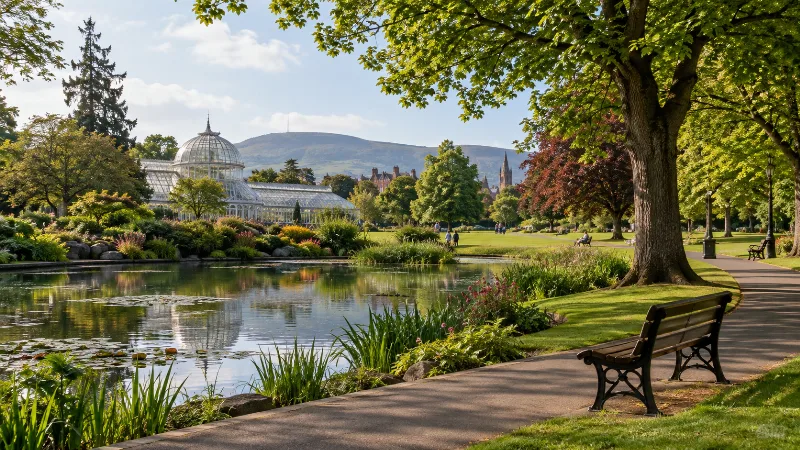
Belfast Parks and Green Spaces
Find Belfast’s gardens, river paths and hill walks, with guidance on choosing a suitable outdoor visit.

Hillsborough Village and Castle Gardens Guide
Explore Hillsborough's village streets, historic setting and the gardens associated with Hillsborough Castle.
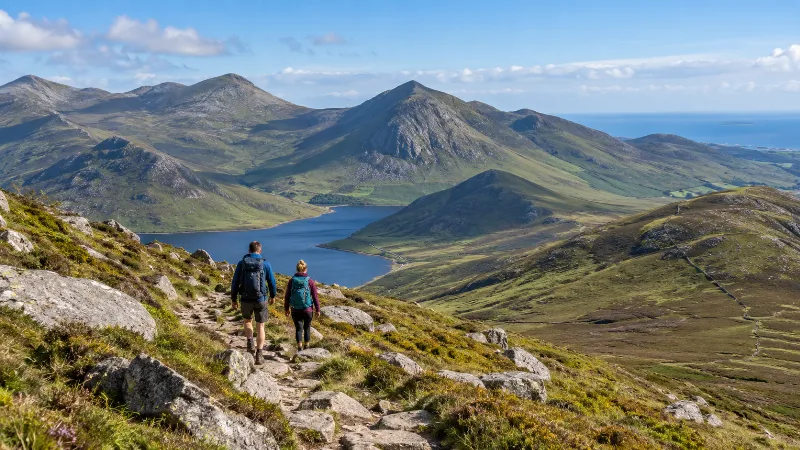
Exploring the Mourne Mountains from Belfast
Plan a day around the Mourne Mountains with realistic walking and travel decisions.
Discovering the Sperrin Mountains by Road
Plan a scenic journey through the Sperrin uplands with attention to rural roads, landscapes and weather.