Belfast to Dublin Car Hire
An independent guide to belfast to dublin car hire, including vehicle options, rental requirements, costs, collection arrangements and driving considerations.
Belfast to Dublin Car Hire is best assessed in the context of the full journey, rather than as an isolated daily price or vehicle photograph. Travellers should identify the intended collection point, number of passengers, dates, luggage requirements and whether the vehicle will be driven outside Northern Ireland. Different arrangements can suit the same route depending on when and where the vehicle is needed.
A Belfast-to-Dublin journey crosses between Northern Ireland and the Republic of Ireland. Both drive on the left, but the road-sign systems, speed units and certain rules differ. The intended route and whether the vehicle will return to Belfast affect the type of rental arrangement needed.
Vehicle selection and suitability
A standard return journey may be treated differently from a one-way drop-off in Dublin. Providers can require advance notice for cross-border travel and may charge an additional fee or restrict certain vehicle categories. Confirm that the booking permits the proposed route before collection.
For belfast to dublin car hire, the most useful comparison is between categories that genuinely meet the journey requirements. The lowest listed category may lack the required space or transmission, while a larger vehicle can create additional parking and running-cost considerations. Specifications should be checked against the provider’s category description because a pictured model may be illustrative rather than guaranteed.
Collection, routes and return planning
The motorway network offers a direct route between the two cities, but parking, traffic and accommodation location should form part of the plan. Distances and speed limits change from miles and mph in Northern Ireland to kilometres and km/h in the Republic.
A workable itinerary leaves time for collecting the keys, inspecting the vehicle, setting navigation and locating the first destination. Travellers should check the return address separately from the pickup address and allow for traffic at the end of the hire. Where the route uses smaller roads, estimated driving times may not fully reflect bends, weather, parking or planned stops.
Rates, deposits and rental conditions
Travel-document requirements for passengers are independent of rental-car authorisation. Drivers should also check how breakdown assistance, damage reporting and any applicable road charges work on both sides of the border.
The complete rental agreement is more informative than a headline price. Compare mileage limits, fuel or battery return rules, accepted payment cards, security deposits, named-driver conditions and any optional charges. A deposit can reduce available card funds temporarily even when it is not an additional rental fee. Contractual amendments can also change the final amount payable.
Driving in Northern Ireland
Vehicles travel on the left in Northern Ireland, with distances and speed limits expressed in miles and miles per hour. Drivers should follow posted restrictions and the rules applicable to their vehicle and licence. Urban routes can include bus lanes, one-way streets and controlled parking; rural roads may be narrow, winding or affected by livestock and agricultural traffic.
Weather conditions can alter visibility and stopping distances, particularly on exposed coastal roads and higher routes. Drivers should adjust their speed for road conditions and other users rather than treating a posted maximum as a suitable speed in every situation. A review of the local road rules is useful for anyone unfamiliar with driving in the United Kingdom.
Insurance and authorised driving
Insurance documentation should identify the protection included with the rental, the relevant excess and any exclusions. Damage to tyres, glass, keys and other components may be treated differently from damage to body panels. A waiver or optional protection product does not necessarily remove every financial responsibility, and drivers should understand the reporting procedure after an incident.
Every person who will drive must be eligible and, where required, named on the agreement. Travel across the border into the Republic of Ireland should be checked in advance because rental permission, breakdown coverage and territorial insurance conditions vary. Passenger travel documents and immigration requirements are separate from permission to take a vehicle across the border.
Practical checks before departure
At pickup, examine the vehicle and ensure that existing marks are recorded using the provider’s procedure. Confirm the fuel or charge level, basic controls, tyre condition and equipment supplied. Keep the rental agreement and the appropriate emergency contact information accessible, together with instructions for breakdowns or damage reporting.
At return, follow the stated time and location, retain any relevant receipts and document the vehicle condition according to the agreement. A change of destination, delayed return or different fuel level can create extra charges. Reviewing these details before travelling helps separate the planned cost of the hire from optional or avoidable additions.
Important information
BelfastCarHire.com is an independent informational website and does not directly supply rental vehicles. Rental prices, availability, driver requirements, insurance, deposits and cross-border conditions vary by provider and may change. Confirm current terms with the relevant rental company before arranging a vehicle.
Related content
One-Way Car Hire from Belfast to Dublin
A guide to arranging a one-way car hire from Belfast to Dublin, covering cross-border cover, route changes and drop-off charges.
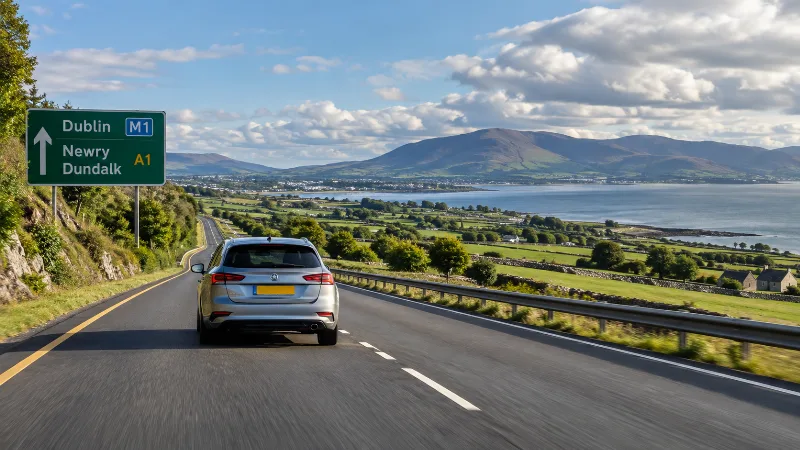
Driving a Belfast Rental Car to Dublin
Check permission and rules for a cross-border rental journey.
Toll Roads Between Belfast and Dublin
Practical guidance to help plan toll Roads Between Belfast and Dublin. Compare your options, review key details and prepare for a smoother visit to Northern.
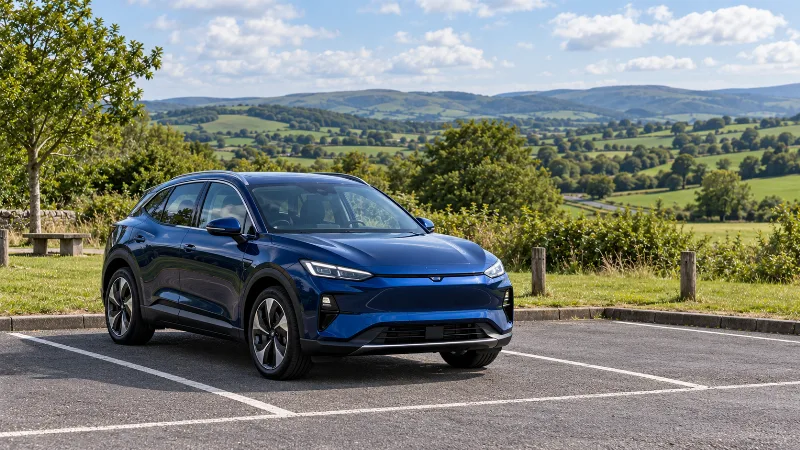
Belfast to Dublin in an Electric Hire Car: What to Check Before You Go
Belfast-to-Dublin electric rental travel explained, including cross-border agreements, charging networks, payment arrangements and one-way returns.
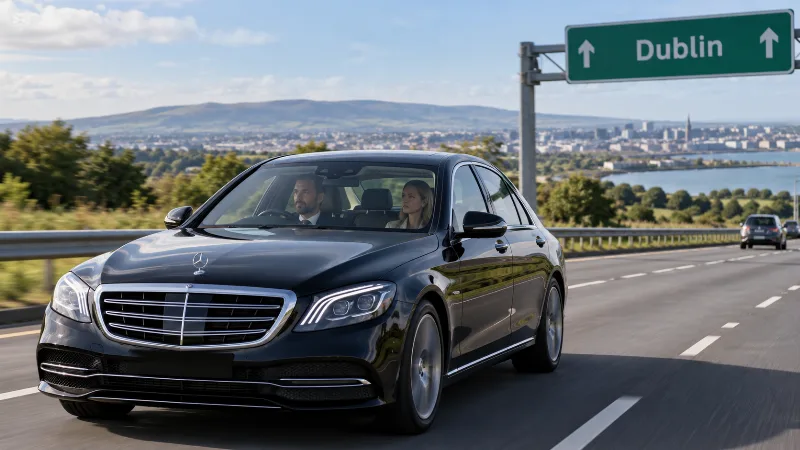
Belfast Airport Transfers to Dublin
Plan trips from Belfast airports towards Dublin and confirm cross-border journey details.
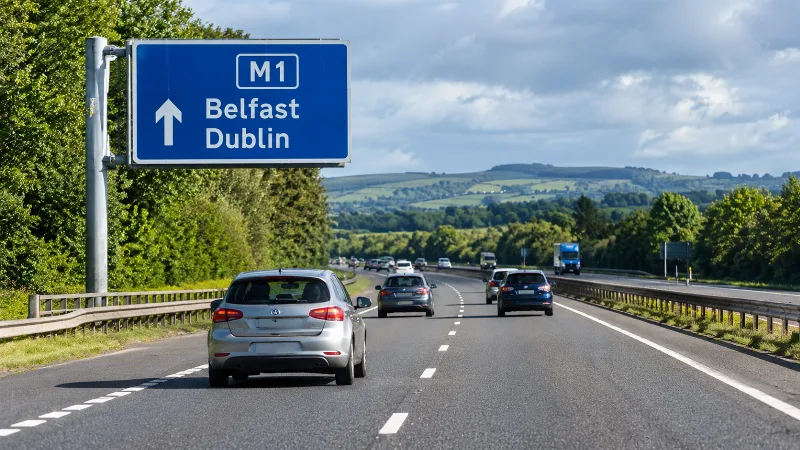
Car Hire Toll Roads Between Belfast and Dublin
Cross-border toll arrangements and how payments work.
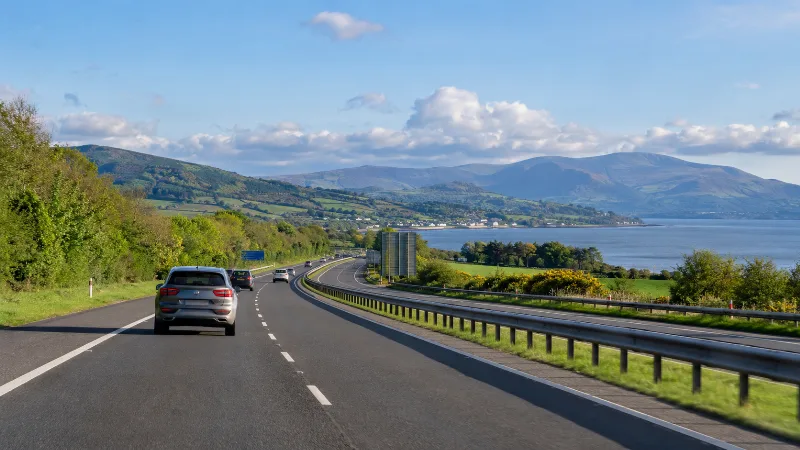
Driving from Belfast to Dublin
Understand cross-border driving, rental permissions and road-sign differences.
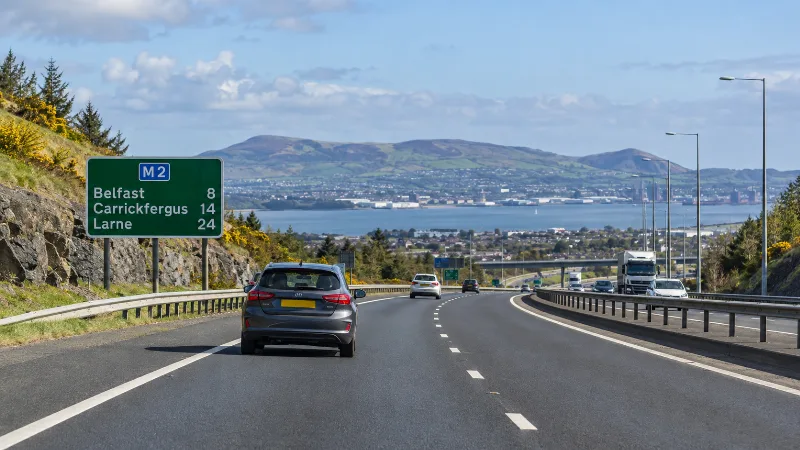
Toll Roads and Charges in Northern Ireland
Find out whether Northern Ireland has toll roads and what drivers should know before crossing into the Republic.