
Exploring the Glens of Antrim
Understand the landscapes, villages and practical road choices across the nine Glens of Antrim.
The Glens of Antrim are nine valleys running through north-eastern County Antrim towards the coast. Their wooded slopes, rivers, villages and open uplands make the region different from Belfast and the more heavily visited coastal landmarks. Travelling through the glens is as much about the changing landscape as it is about reaching a single viewpoint.
Understanding the landscape
Each glen has a different character. Some contain sheltered roads and small settlements, while others open towards higher ground or the sea. Glenariff is particularly associated with woodland and waterfalls, making it an accessible introduction for visitors interested in walking rather than only driving.
In many places the roads are narrower and more winding than the main routes out of Belfast. Distances on a map can therefore be misleading. Allow extra time for bends, changing visibility and stops in suitable parking areas, especially when driving in unfamiliar conditions.
Coastal villages and inland routes
Cushendall and Cushendun provide coastal village settings linked to the surrounding glens. They are useful places to appreciate how the valleys connect with the Irish Sea. Glenarm, farther south along the coast, offers another village setting where the land rises behind the shore.
A visit need not include all nine glens. Exploring one or two valleys and a neighbouring village gives a clearer sense of the area than attempting a rapid circuit. The contrast between wooded river valleys and open coastal views is easier to notice when you stop and walk short sections.
Walking and weather considerations
Glenariff Forest Park has established walking routes, including woodland and waterfall scenery. Trail lengths, surfaces and access conditions vary, so check the route information before choosing a walk. Steps and wet ground may make some sections unsuitable for visitors with limited mobility or light footwear.
Conditions can change quickly in the hills. Mist, rain and wind may affect visibility even when the coast appears clear. Carry a waterproof layer and do not rely entirely on mobile navigation in secluded areas. Use designated paths and respect gates, livestock and adjoining farmland.
Planning the journey from Belfast
A northbound outing can follow the Antrim coast towards selected villages before turning into an inland glen. Consider daylight, planned walking time and your preferred return route. Avoid building a schedule around too many stops, particularly outside summer when daylight is shorter.
Services are more spread out than in Belfast, so arrange food, fuel and other essentials before entering remote sections. The glens are best understood through a combination of careful driving, short walks and time spent noticing the landscape.
Related content
Exploring the Glens of Antrim from Belfast
Practical guidance to help plan exploring the Glens of Antrim from Belfast. Compare your options, review key details and prepare for a smoother visit to.
Hidden Gems in Belfast and Northern Ireland
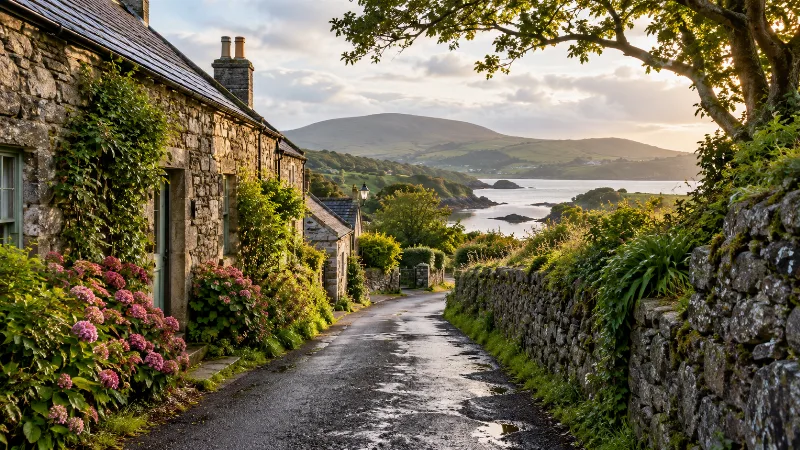
Discover quieter corners, overlooked streets and less obvious landscape stops beyond familiar visitor routes.
Car Hire for Exploring County Antrim
Practical guidance to help plan car Hire for Exploring County Antrim. Compare your options, review key details and prepare for a smoother visit to Northern.
Scenic Villages to Visit in Northern Ireland
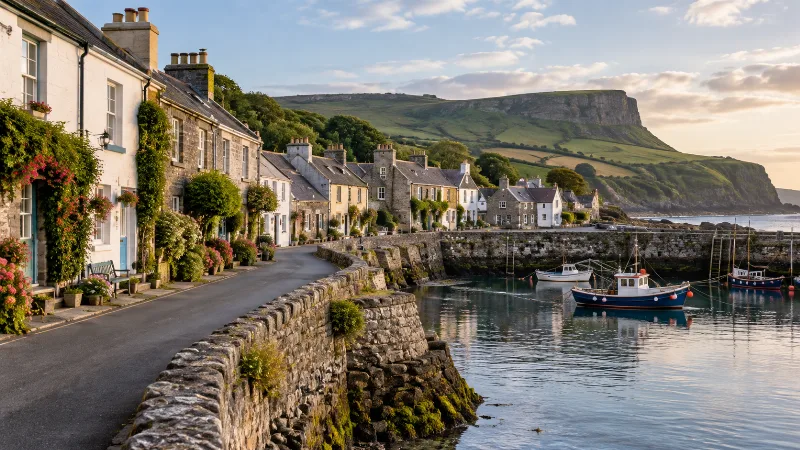
Explore Northern Ireland villages with coastal views, mountain backdrops and historic streets beyond the larger towns.
Exploring Strangford Lough from Belfast
Practical guidance to help plan exploring Strangford Lough from Belfast. Compare your options, review key details and prepare for a smoother visit to.
Exploring Fermanagh Lakelands from Belfast
Practical guidance to help plan exploring Fermanagh Lakelands from Belfast. Compare your options, review key details and prepare for a smoother visit to.