
Exploring Castle Ward and the Strangford Estate
Explore Castle Ward's historic buildings, designed landscape and estate paths beside Strangford Lough.
Castle Ward's setting beside the lough
Castle Ward occupies an estate landscape near Strangford Lough, where historic buildings, woodland and open ground meet a tidal coastal environment. The setting gives visitors more than one way to experience the site. Some may focus on architecture, while others may prefer a walk through the grounds or views toward the water. The estate is managed, and access to particular buildings or paths can change. It is helpful to decide in advance whether the main interest is the house, the wider landscape or a combination of both.
An unusual architectural character
Castle Ward is known for contrasting architectural treatments associated with the historic house. The differing styles make the building particularly interesting when viewed from more than one side. Rather than assuming that a single façade represents the entire structure, visitors can observe how the design changes around it. Interior access depends on current arrangements and should not be taken for granted. The wider estate also contains other structures and designed features that help place the house within its historical setting. Building details are easier to appreciate when enough time is allowed.
Estate walks and landscape variety
Paths through the grounds may pass woodland, open fields and areas with views of the lough. The terrain is not identical across the estate, and some routes are longer or more uneven than others. Choosing a walk that fits available time and mobility is preferable to attempting every path. Seasonal conditions affect both vegetation and ground surfaces. In wetter periods, suitable footwear becomes more important. Visitors should remain on designated routes where requested and respect areas managed for conservation or estate operations.
Strangford Lough as a changing backdrop
Strangford Lough is a tidal inlet, so the appearance of its shoreline changes with the movement of water. Mudflats, channels and waterside habitats may be visible at different times. These areas support wildlife, but animals should be watched from a distance without entering sensitive habitats. The shore can be muddy and potentially hazardous outside established paths. Weather and tide conditions also influence views across the lough. Observing the changing waterline from a safe public viewpoint adds a distinctive element to an estate visit.
Planning access and time
Castle Ward lies outside central Belfast, so a visit requires travel planning. Opening arrangements for the house, facilities and grounds may differ, and some areas may require admission. Road conditions and parking availability can vary with events and seasonal demand. A longer visit allows time for both architecture and a measured walk, while a shorter outing can focus on one part of the estate. Visitors should not assume that every trail returns directly to the main building. Checking the route before setting off helps avoid an unnecessarily long return.
Related content
Visiting Castle Ward from Belfast
Practical guidance to help plan visiting Castle Ward from Belfast. Compare your options, review key details and prepare for a smoother visit to Northern.
Exploring Strangford Lough from Belfast
Practical guidance to help plan exploring Strangford Lough from Belfast. Compare your options, review key details and prepare for a smoother visit to.
Exploring the Ards Peninsula from Belfast
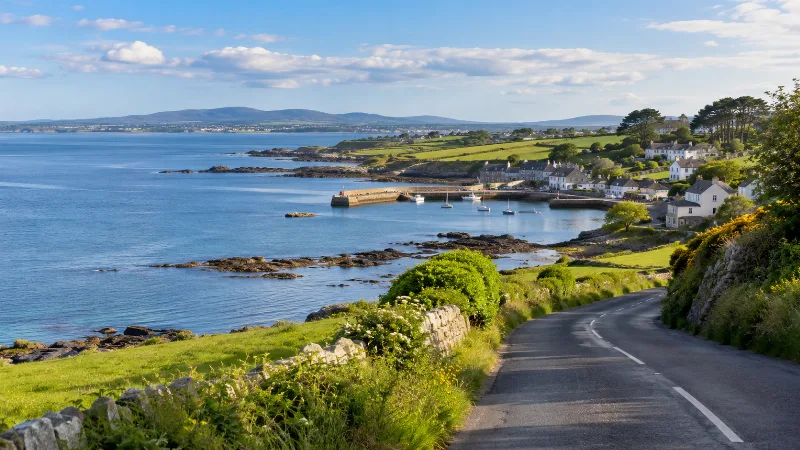
Plan a coastal journey around the Ards Peninsula, focusing on villages, quiet beaches and practical driving decisions.
Parking at Belfast Car Hire Depots
A practical look at how parking works at car hire depots in Belfast, from marked collection bays and vehicle return areas to after-hours key drop and the street rules that catch people out.

Hillsborough Village and Castle Gardens Guide
Explore Hillsborough's village streets, historic setting and the gardens associated with Hillsborough Castle.

Northern Ireland Car Hire – Complete Guide to Renting a Car and Exploring the Region
A comprehensive guide to car hire in Northern Ireland, covering rental locations, driving requirements, insurance, vehicle choices and travel across the region.