
Single-Track Roads and Passing Places in Northern Ireland
Learn how to use passing places, meet oncoming traffic and navigate narrow country lanes in Northern Ireland.
Some country roads in Northern Ireland are barely wide enough for one vehicle. These single-track roads can connect farms, small settlements and scenic areas, but they require a different approach from ordinary two-way roads. Meeting an oncoming car does not automatically mean that either driver can pass without stopping.
Recognising a passing place
A passing place is a widened section of road or a clearly usable space that allows vehicles to pass. It may be marked by a sign, although the layout is not always obvious. Notice these spaces as you travel rather than looking for one only when an oncoming vehicle appears. Keep your speed low enough to stop before the next blind bend.
The Northern Ireland Highway Code advises drivers to pull into a passing place on the left or wait opposite a passing place on the right. This distinction matters: moving unnecessarily across the road into a space on the right can create confusion when another vehicle needs to pass.
Meeting other road users
When you see an approaching vehicle, assess the available space early. One driver may need to wait while the other continues towards the nearest suitable passing point. If there is no safe way forward, reversing slowly to a passing place may be necessary. Do not reverse blindly around a bend or towards a hidden junction.
Where practical, give way to road users travelling uphill, who may find stopping and restarting more difficult. Agricultural vehicles can be much wider than cars, so leave extra room near hedges, gateways and stone walls. A verge may look firm but conceal a soft edge, drainage ditch or uneven ground.
Keeping passing places available
Passing places are intended for traffic movement, not parking. Their purpose is to let vehicles continue safely, even when there is no room for both to remain on the narrow carriageway. Even a brief stop for photographs can obstruct other drivers. Find a separate legal parking area if you want to leave the vehicle. Avoid stopping in gateways, on blind bends or beside walls where traffic cannot pass.
Walkers, cyclists and horse riders also use narrow lanes. Reduce speed substantially when passing them and wait where necessary rather than trying to squeeze through. In wet weather, watch for mud, leaves and standing water close to the verge.
A relaxed approach usually works best. Scan ahead, acknowledge other drivers when appropriate and avoid assuming that a vehicle coming towards you can always reverse. The important skill is anticipating narrow sections before two vehicles meet.
Related content
Understanding Rural Road Passing Places
Practical guidance to help plan understanding Rural Road Passing Places. Compare your options, review key details and prepare for a smoother visit to.
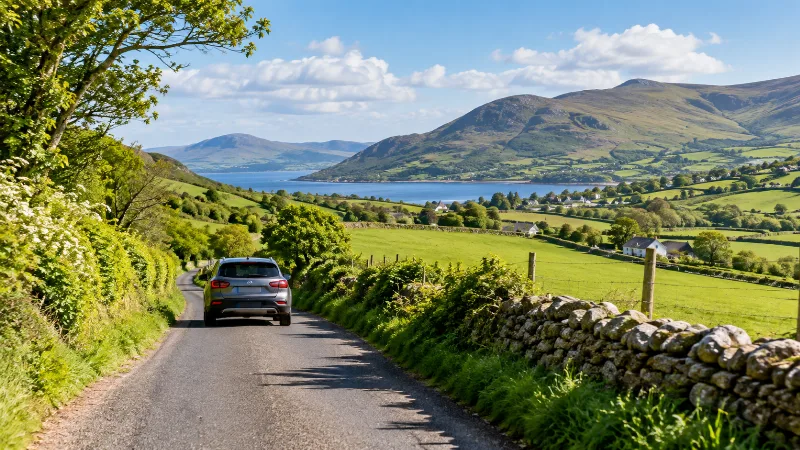
Rural Roads in Northern Ireland
What to expect on narrow countryside roads and how to plan scenic drives.
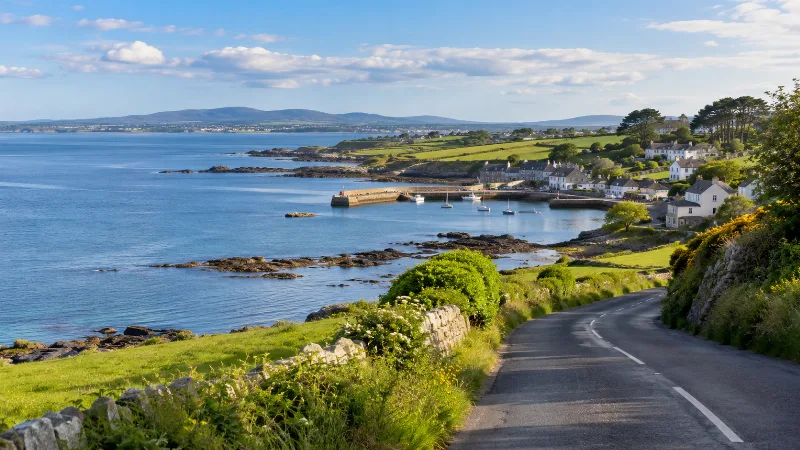
Exploring the Ards Peninsula from Belfast
Plan a coastal journey around the Ards Peninsula, focusing on villages, quiet beaches and practical driving decisions.
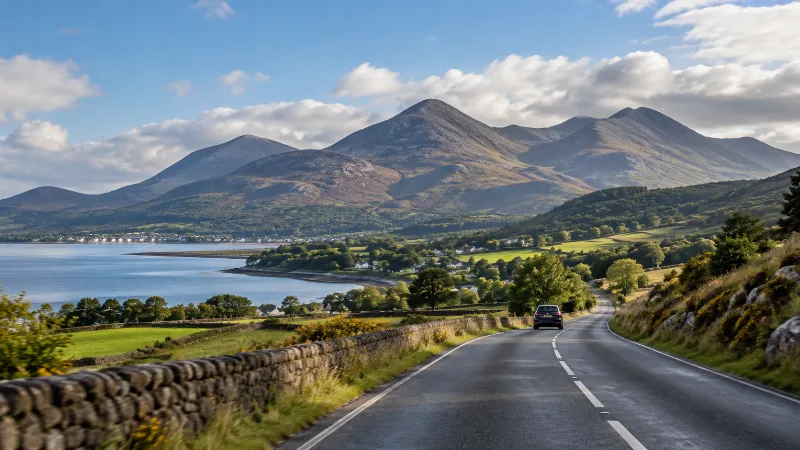
Driving from Belfast to the Mourne Mountains
Plan the drive from Belfast to the Mourne Mountains, including the Newcastle approach and rural road considerations.
Causeway Coastal Route Car Hire Stops
Use this guide to plan a flexible Causeway Coastal Route drive by hire car, with sensible stop suggestions and practical notes for parking, weather and coastal roads.
What Happens If Your Flight Is Delayed?
Practical guidance to help plan what Happens If Your Flight Is Delayed. Compare your options, review key details and prepare for a smoother visit to.