
Car Hire for Rural Northern Ireland Journeys
Vehicle selection and practical driving considerations beyond Belfast.
Vehicle selection and practical driving considerations beyond Belfast. This guide explains the main points to consider when planning a rental in Belfast or elsewhere in Northern Ireland. Details can differ depending on the rental company, the branch, the type of vehicle and the terms accepted at collection. Understanding those differences helps travellers assess conditions without relying on assumptions drawn from a general advertised rate.
Different road environments
Journeys beyond Belfast may include narrow rural roads, winding approaches and stretches with limited lighting. A route that looks short on a map can take longer than expected. Drivers unfamiliar with left-side driving should allow time to adjust before entering more demanding road environments.
In practice, different road environments should be considered before confirming the booking rather than only at the rental desk. The relevant details are often spread across the reservation conditions, the local branch policy and the final rental agreement. A traveller can avoid confusion by treating these as related but distinct sources of information.
Choosing a manageable vehicle
Vehicle size should reflect passengers, luggage and driver confidence. A large SUV may offer space but can be harder to position on narrow roads or at small parking areas. A compact vehicle may be practical where the route and load permit.
For car hire for rural northern ireland journeys, circumstances can vary with the vehicle group, rental duration and collection location. Terms displayed during a general search may not include every restriction or supplementary condition. The information attached to the selected reservation is more useful than broad assumptions about how rentals usually work.
Fuel and charging planning
Service stations may be less frequent in some rural areas than in major towns. Electric-car users should consider compatible charging locations and backup options, while petrol or diesel drivers should monitor fuel range. Availability information can change, so route planning should not depend on a single stop.
When assessing fuel and charging planning, it is useful to separate what is legally required from what a rental company chooses to require under its contract. The two are not always identical. Reading the relevant clause carefully can clarify who is responsible and whether an extra payment or approval is involved.
Mobile coverage and navigation
Mobile signal can vary, and navigation instructions are not always suited to the width or surface of a road. Offline maps can help with orientation, but road signs and legal restrictions take precedence. A planned stop should have a safe and lawful place to park.
The practical effect of mobile coverage and navigation becomes clearer when the planned itinerary and the named drivers are taken into account. A short city rental and a longer trip around Northern Ireland may raise different considerations. Written confirmation is especially relevant where the proposed journey involves an exception to normal arrangements.
Weather, daylight and return plans
Rain, strong winds and early darkness may affect rural journeys at different times of year. Adding reasonable time margins can help avoid rushed driving. Return deadlines and mileage rules should be considered when deciding how many destinations to include in one day.
Before return, any point related to weather, daylight and return plans should be reviewed against the original handover record and the rental conditions. Keeping relevant receipts, written approvals and inspection information together can help explain later questions. This is particularly useful when final charges are processed after the vehicle has been handed back.
Information is provided for general guidance only. Rental eligibility, charges, insurance, vehicle availability and operating procedures vary by provider and may change. Check the current rental agreement and relevant official guidance before travelling.
Related content
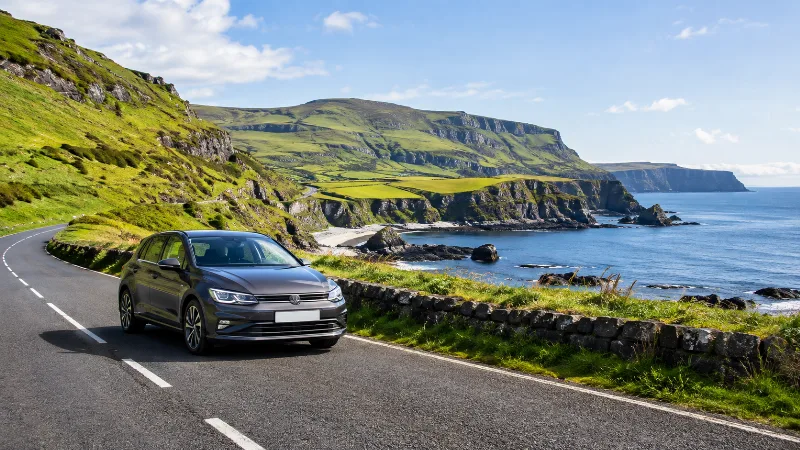
Northern Ireland Car Hire – Complete Guide to Renting a Car and Exploring the Region
A comprehensive guide to car hire in Northern Ireland, covering rental locations, driving requirements, insurance, vehicle choices and travel across the region.

Belfast Car Hire | Airport & City Centre Car Rental Guide
A practical guide to car hire in Belfast, covering airport and city centre rentals, vehicle options, insurance, driving requirements and travel across Northern Ireland.
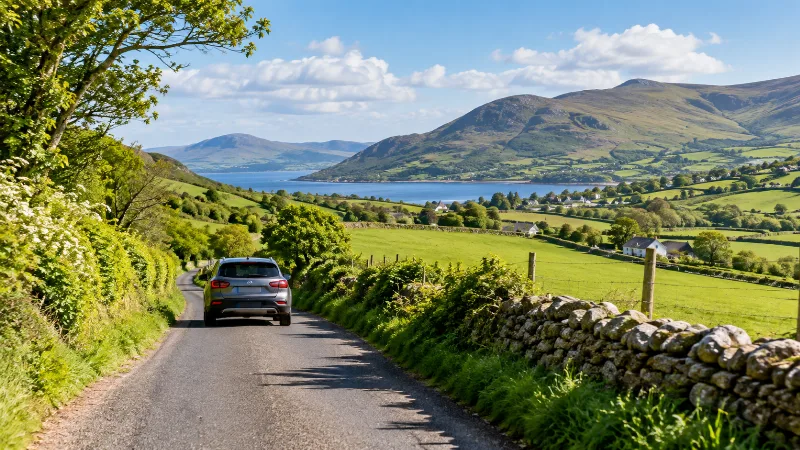
Rural Roads in Northern Ireland
What to expect on narrow countryside roads and how to plan scenic drives.
Belfast Airport Transfers to Enniskillen
Understand airport travel to Enniskillen and the Fermanagh Lakelands, including longer road journeys and regional bus planning.
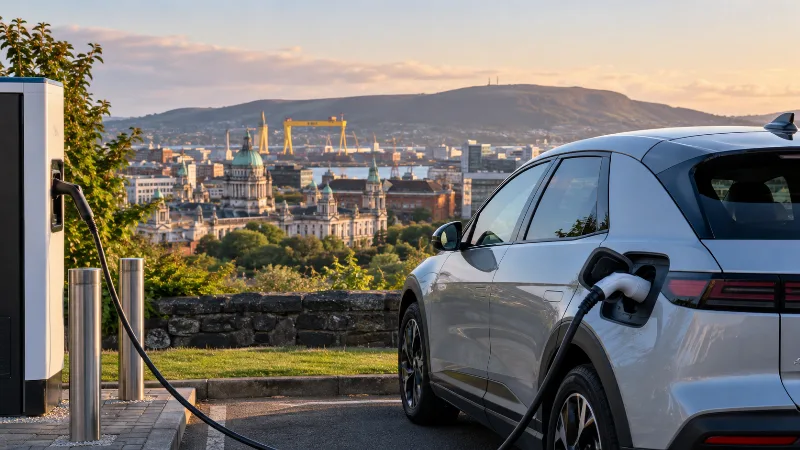
Electric Car Driving in Belfast and Beyond
Charging, range and practical planning for an electric rental in Northern Ireland.

Car Hire with Children in Belfast
Plan child seats, family luggage and safe journeys.